Andrey Lugovoy’s Visit to the Fregat Plant: Industry Issues Elevated to the Level of Systemic Dialogue
Today, battery recycling and the circulation of secondary lead have become issues that go far beyond individual enterprises. For the battery industry, this is no longer just an environmental matter, but also one of raw material security, market transparency, and the effectiveness of industrial policy. Returning metals to the industrial cycle reduces the environmental burden, lowers dependence on primary raw materials, and forms the basis of a circular economy.
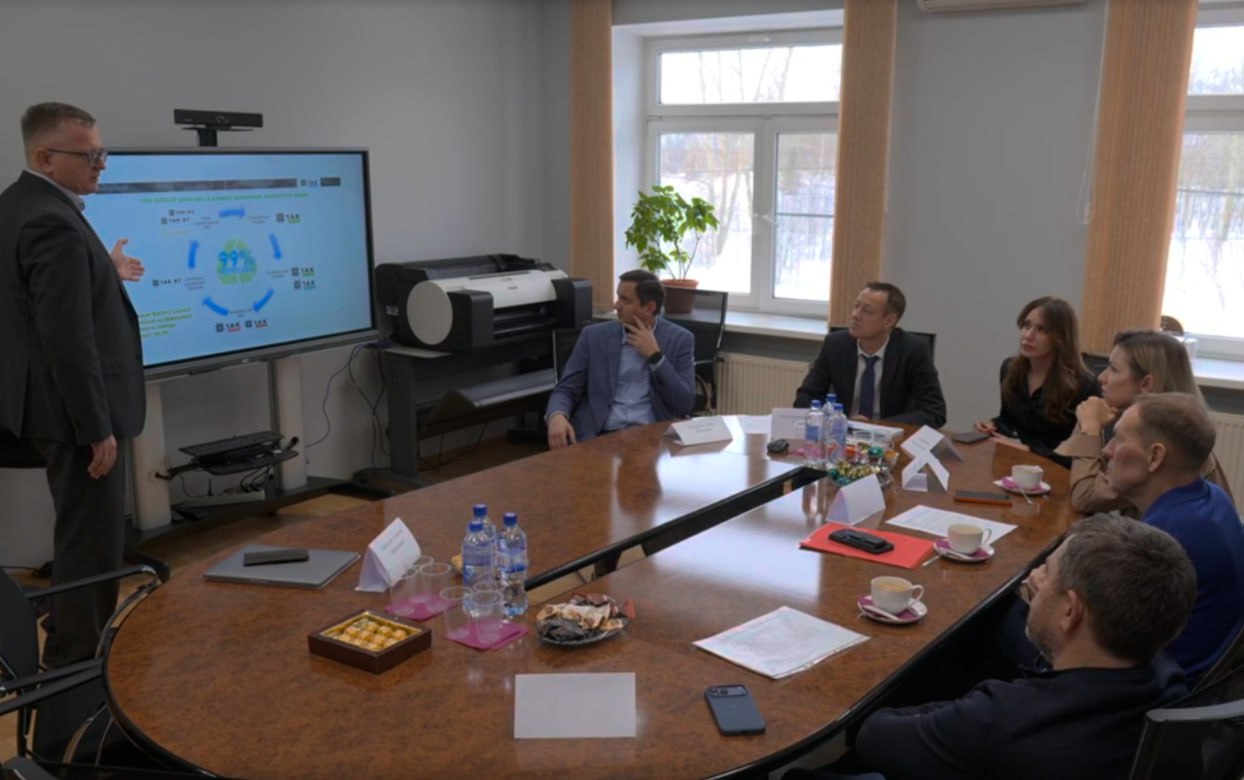
The Belarusian industrial holding 1AK-GROUP is building precisely this kind of integrated model for the battery industry — from end-of-life battery recycling and lead alloy production to the manufacture of new batteries and energy storage systems.
 The holding’s battery division includes enterprises engaged in the production of starter and industrial batteries, battery recycling and lead alloy production, the manufacture of plastic components, and the development of energy storage technologies. This level of integration makes it possible to build a closed production cycle in which a significant share of metals is returned to industrial use.
One of the key elements of this system is Fregat LLC (1AK-FREGAT), a plant in the Moscow region specializing in battery recycling and lead alloy production.
 The Russian lead market is formed primarily by secondary production — the recycling of spent lead-acid batteries and industrial non-ferrous metallurgy waste. According to industry estimates, secondary lead accounts for 85–90% of total output, while the battery industry remains the main consumer of the metal, accounting for more than 90% of domestic lead consumption. This means that the efficiency of collecting, recycling, and regulating the circulation of spent batteries directly affects the sustainability of the entire industry.
That is why attention to these issues at the legislative level is especially important.
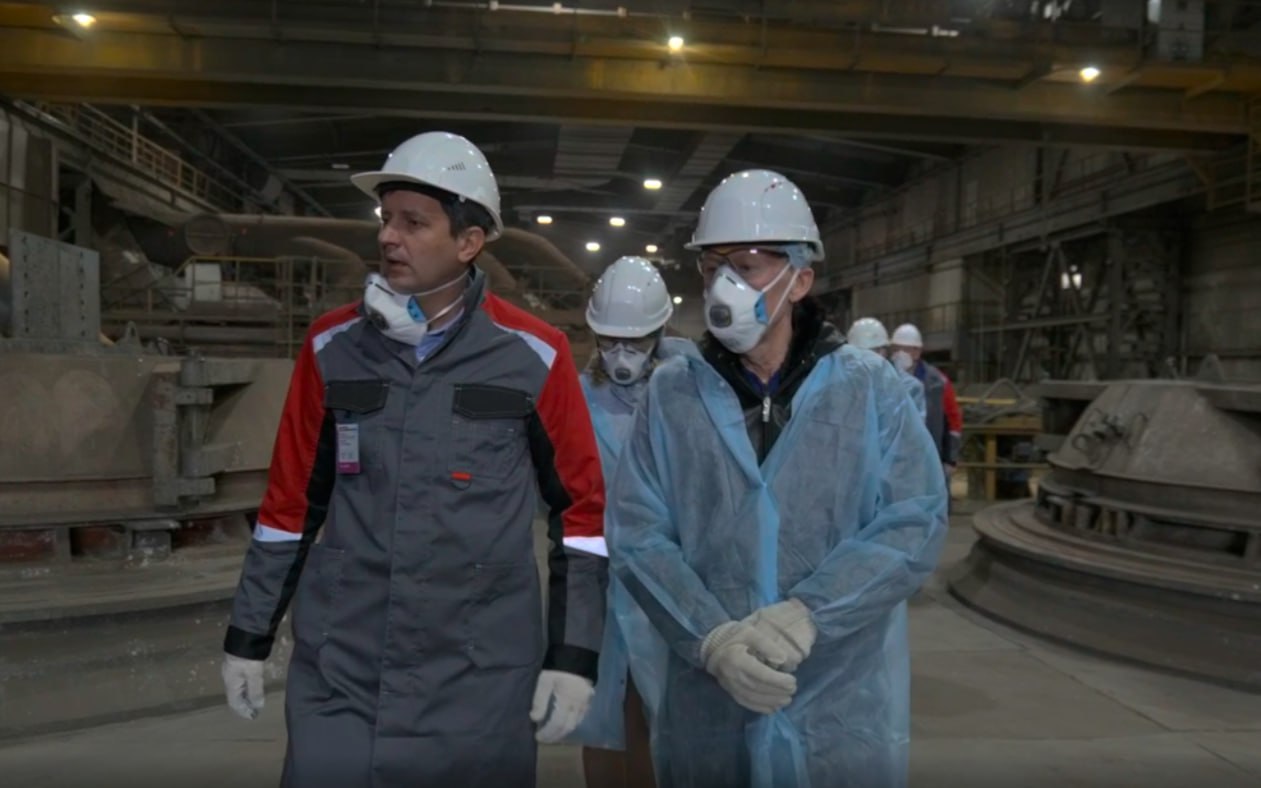
A working visit by Andrey Lugovoy, Deputy Head of the LDPR faction and First Deputy Chairman of the State Duma Committee on Security, took place at the Fregat plant, which is part of 1AK-GROUP.
For 1AK-GROUP, this was not the first meeting with Mr. Lugovoy. However, it was his first visit to the Fregat production site. This gave the discussion particular depth: the conversation was not conducted in abstract terms, but directly at the plant, where it was possible to see how battery recycling is actually organized, what challenges the market is facing, and what regulatory solutions are now required.
During the visit, Andrey Lugovoy familiarized himself in detail with the company’s operations, the technological cycle of battery recycling, and the production of lead alloys. The discussion focused on issues of importance to the industry as a whole.
For the holding, it was especially important that the conversation was not formal, but substantive, businesslike, and constructive. It was clear that Andrey Lugovoy is deeply engaged with the sector’s challenges, understands its practical pain points well, and is committed to finding solutions that can genuinely improve the situation in the market.
This approach is particularly valuable for the recycling industry, where many of the challenges are systemic and require thoughtful legislative changes rather than isolated measures.
Andrey Lugovoy’s visit to the Fregat plant demonstrated that the topics of battery recycling, secondary lead, and the circular economy are receiving increasingly serious attention. This means that the industry now has greater opportunities not only to articulate its challenges, but also to move toward practical solutions.
1AK-GROUP expresses its gratitude to Andrey Konstantinovich for his attention to the industry, his openness to professional dialogue, and his constructive approach to discussing issues of strategic importance for the development of recycling and the battery industry.