1AK-GROUP Expands PzS Traction Battery Production: Full Cycle of 2V Cells and Battery Assembly
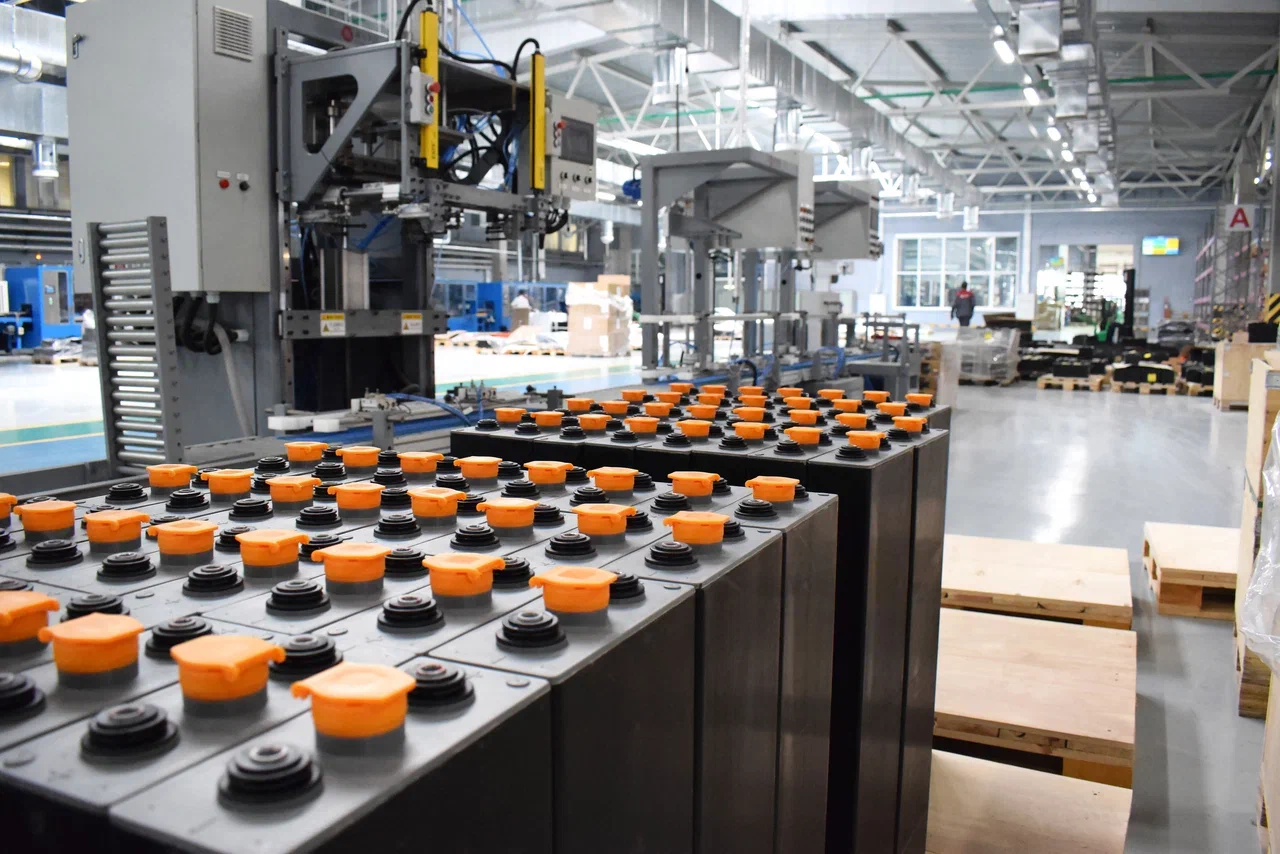
Within 1AK-GROUP’s battery business, traction lead-acid batteries based on PzS technology are manufactured end-to-end — from key components to finished battery packs.
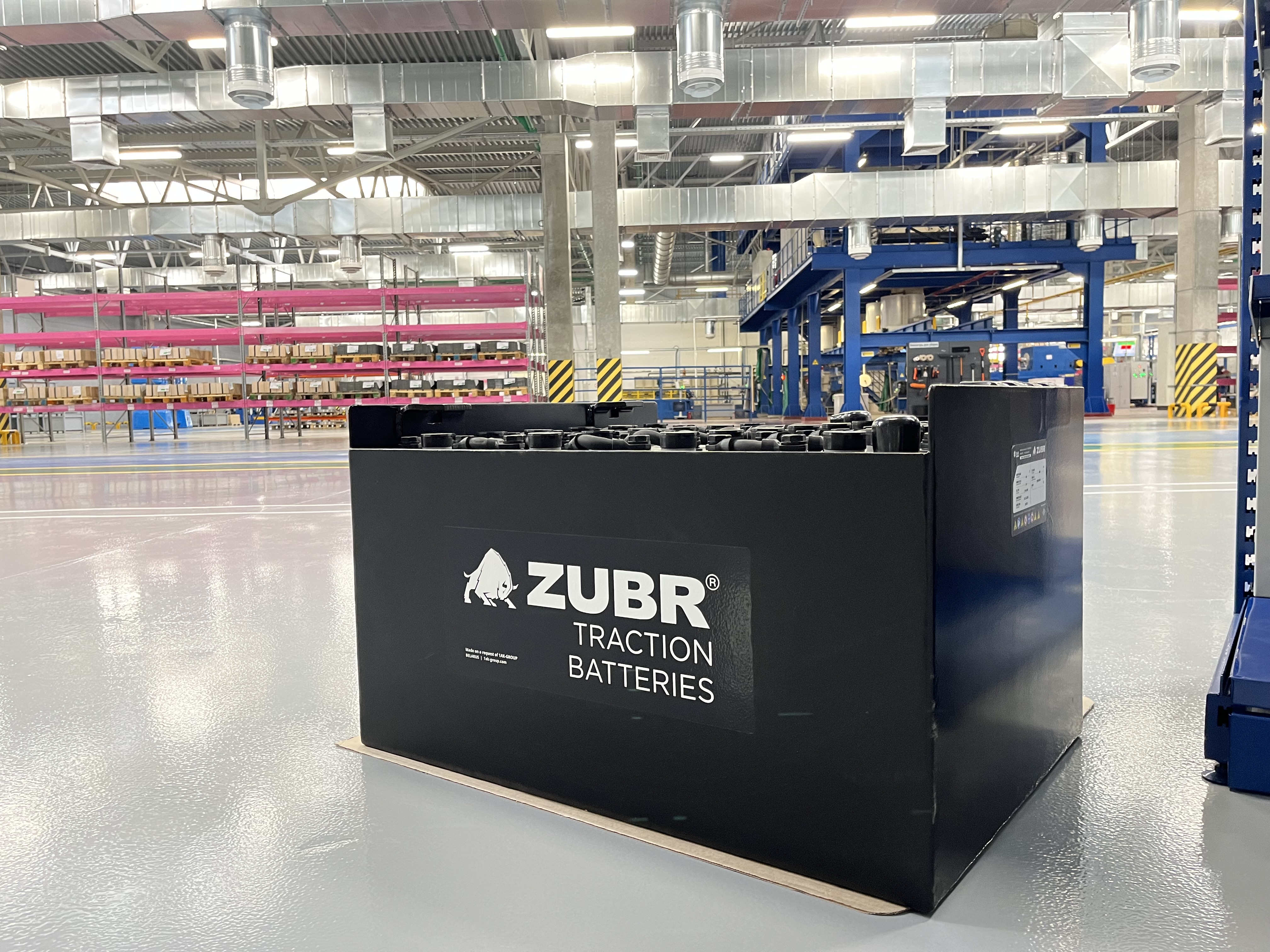
At Zubr Energy LLC, the full production cycle is in place: casting of current-carrying parts, plate manufacturing, 2V cell assembly, formation, final inspection, and battery assembly.
Applications
PzS cells are built around a tubular (armoured) positive plate, designed for cyclic operation and regular deep discharges. This format is widely used in traction equipment and industrial logistics: forklifts, stackers, reach trucks, electric pallet trucks, cleaning machines, and other applications where predictable service life and battery maintainability are essential.
PzS 2V Cell Range
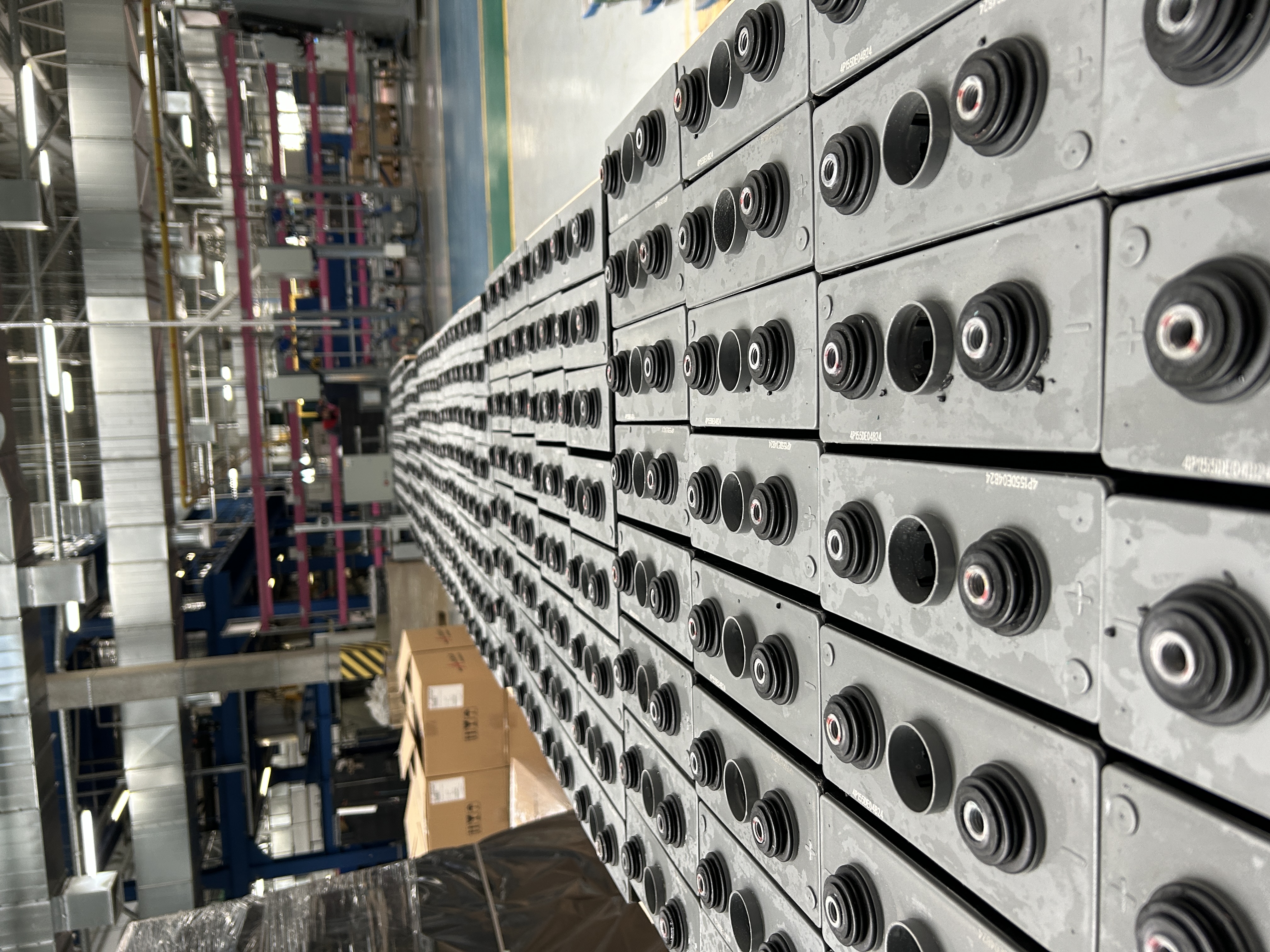
Zubr Energy produces a core range of 2V cells from 2PzS 160 to 8PzS 1240 (C5 capacity). The sizes cover heights of 415–720 mm and widths of 47–155 mm, with a standard length of 198 mm (depending on configuration). This makes it possible to select battery packs to match equipment requirements for runtime and allowable dimensions.
Key Process Stages
Casting of current-carrying components and preparation of parts for assembly
Plate manufacturing and cell sub-assembly preparation
Assembly of 2V cells with checks of geometry and interconnections
Formation with electrolyte circulation: during formation, electrolyte density is ρ = 1.09–1.10 g/cm³, followed by replacement with operating electrolyte ρ = 1.27 ± 0.01 g/cm³
Polymer film coating of the container to improve resistance to external impacts
Parameter verification and battery assembly: testing, labeling, and final configuration
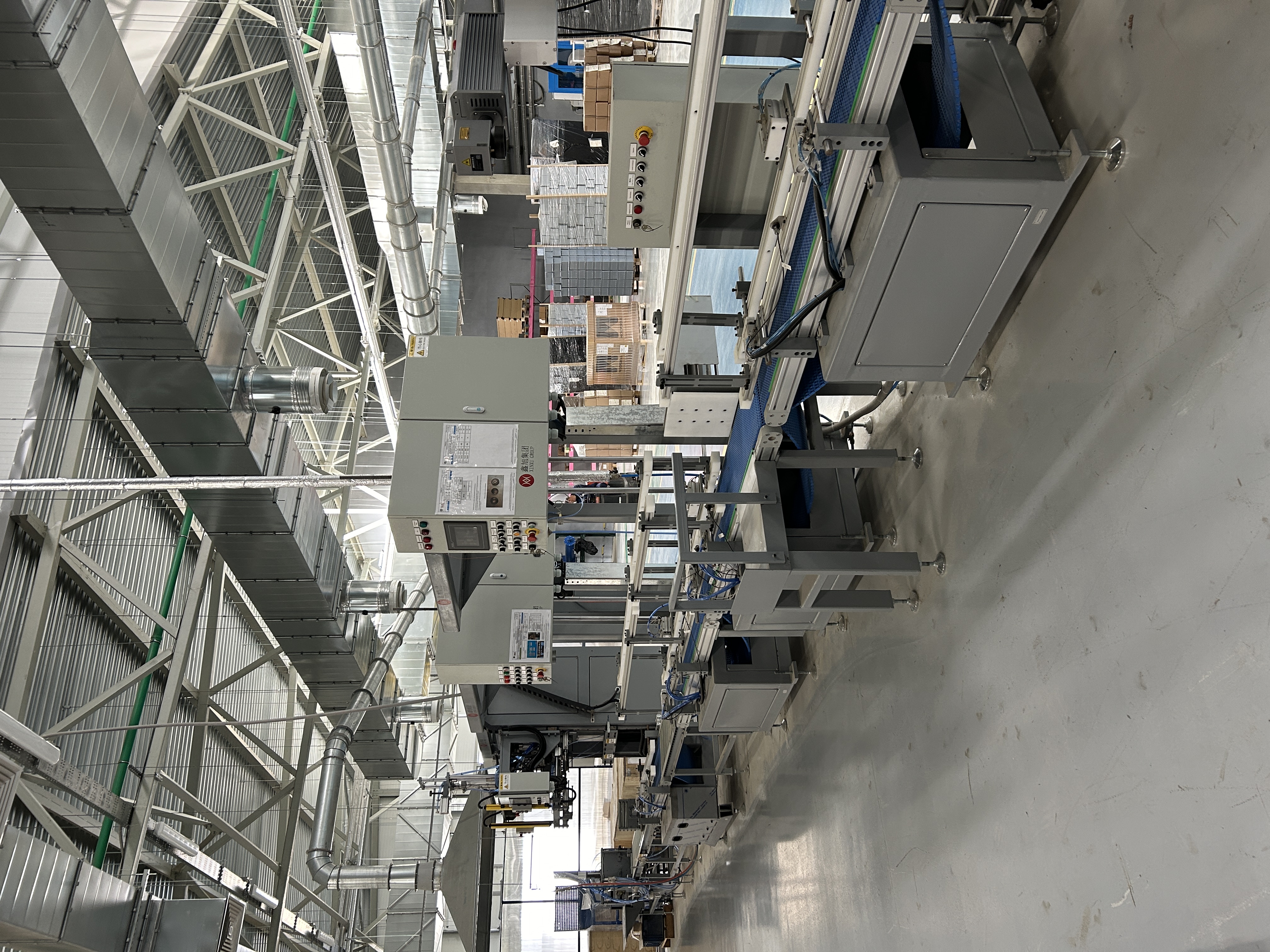
The production line is designed for up to 100,000 2V cells per year, with a focus on stable characteristics in serial production and consistent quality from batch to batch.
Quality Control and Performance
PzS technology is intended for cyclic duty, which means:
predictable performance in traction applications;
a service-based operating model (condition monitoring and scheduled maintenance);
the ability to assemble battery packs for specific equipment and duty cycles.
The stated technical target is up to 1,500 cycles (provided operating and maintenance requirements are met).